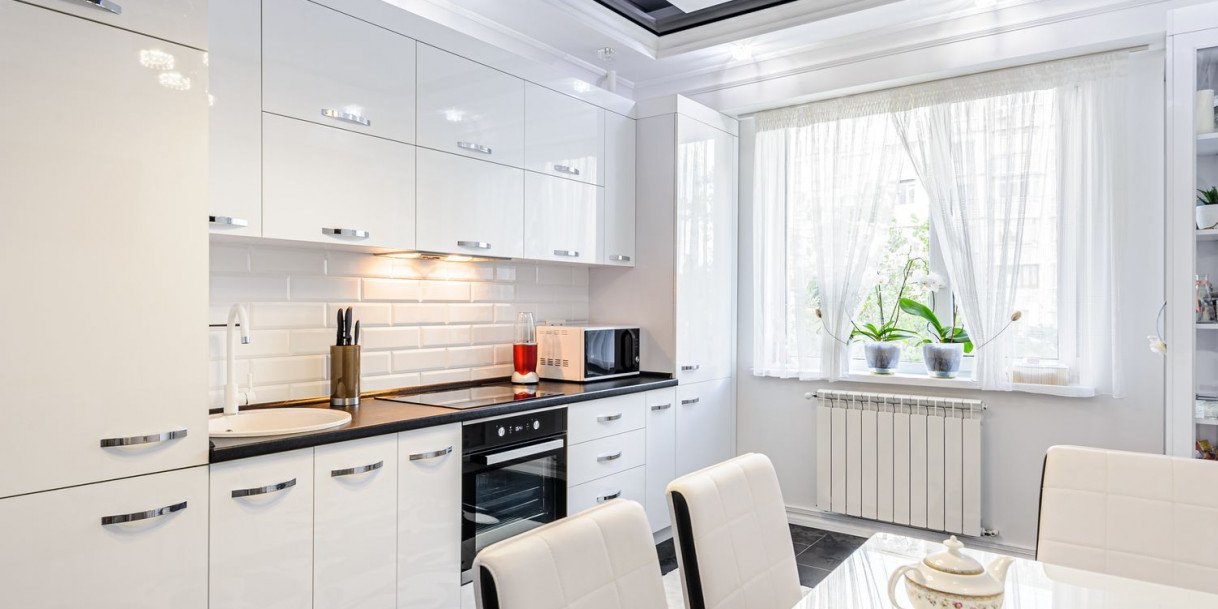
How to Clean Glossy, MDF and Chipboard Furniture?
Furniture is an indispensable part of our daily life that makes our living space beautiful and peaceful. Although the furniture is an indispensable part of our home decoration, it is necessary to pay attention to cleaning it. The important point here is that the cleaning is done correctly, that if it is not done correctly, the furniture will begin to wear out in no time.
When dealing with furniture cleaning, you should take care of the furniture depending on what it is made of, below we will show which furniture is cleaned and how.
Cleaning of Chipboard and MDF Coated Furniture
If the furniture material is laminated, it is not important whether it is chipboard or MDF, because the chipboard and MDF surface are made of the same material. MDF coating is similar to laminate, but laminate is more durable, so the two should not be mixed.
The most important point to be considered in the cleaning of chipboard and MDF furniture is the following; The edges of the laminate coverings are PVC bonding. Normally, there is no problem even if water remains on the slide material, but water leakage from the PVC edges will cause the material to swell and rot over time. Therefore, make sure that there is no wetness in the PVC adhesive part during cleaning.
The cloth to be used for cleaning modern white gloss furniture should be smooth and clean. You do not need to use any chemicals to clean this material. You should only clean with pure clean water and smooth cloth.
It is not important that the cloth has a smooth surface for cleaning the normal slide material because it is scratch-resistant. Since the laminated material will usually be swollen and patterned in its shape, cleaning is done with a pure watery cloth, but darkening may occur over time. In order to eliminate these tarnishes, you can prevent the tarnish with double water by pouring lightly into the bucket full of water. It should be noted here that at the end of the cleaning, the furniture is wiped with a dry cloth in a way that there will be no damp place.
Cleaning of Wooden Furniture
When we look at wooden furniture in general, we can divide it into lacquer and veneer.
You need to pay more attention to the cleaning of lacquer furniture. This type of furniture looks more elegant compared to laminate, but they are more sensitive. The especially glossy surface structure is prone to scratching. The cloth you use in cleaning must be smooth and soft. We do not recommend smooth microfiber cloths, but instead, we recommend softer cloths such as cleaning cloths made of cotton. We do not recommend using chemical cleaning materials because the quality of lacquer paint used in the furniture is very important, if the paint is second class, you may encounter situations such as paint fading. You can clean with pure clean water as long as there is no serious contamination (yellowing can be done with a dirty cloth or if the paint is of poor quality). Lacquer paint protects the wood in this respect, it adds some resistance to the wood against water, but it should be never repeated, and never left moist and wet, otherwise, bubbles may appear on the paint surface.
Cleaning of wooden furniture is advantageous compared to the lacquer, wood is scratch resistant and can camouflage scratches but depends on water resistance varnish. The cloth to be used in wood cleaning should be soft, as well as you can clean with pure clean water or water with wood cleaner.
Last Updated: 25th May, 2020

Tumay Kilinc
Co-founder of Reviews By People. I'm here to make your buying decisions easier and save you time. If you have any questions, feel free to comment below.
Comments
Leave the first comment